Monsoon by Country
Sri Lanka
| Month | Monsoon Description |
|---|---|
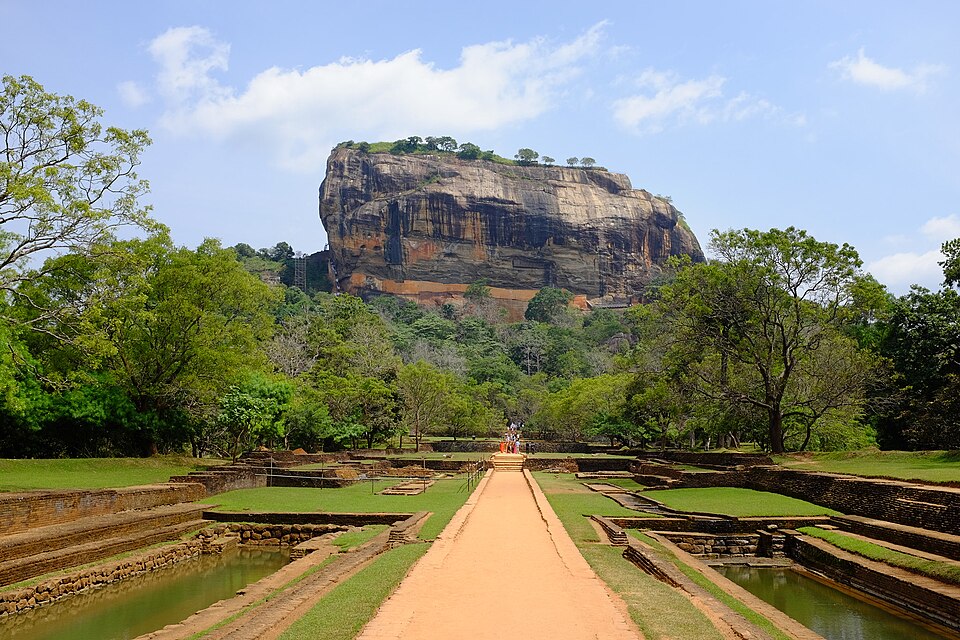
| January | Sri Lanka. January. North-east monsoon at its tail end. West and south coasts (Galle, Mirissa, Tangalle) are in excellent shape — the prime beach season. Colombo weather is sunny and breezy. Whale-watching from Mirissa peaks. The Cultural Triangle (Sigiriya, Dambulla, Anuradhapura) is dry and accessible. Hill country (Ella, Nuwara Eliya) is cool with some mist. East coast (Trincomalee, Arugam Bay) has residual rain from the north-east monsoon. |
| February | Sri Lanka. February. One of the best months to visit. The south-west monsoon is long gone and the north-east monsoon has retreated. Virtually the entire island enjoys pleasant conditions. Beach tourism on the south coast is at its peak. Whale-watching season continues. Valentine's Day brings a brief spike in resort bookings. The hill country is fresh and green. |
| March | Sri Lanka. March. Excellent beach weather continues on the west and south coasts. Temperatures begin to climb slightly. Towards the end of the month, pre-monsoon humidity builds in Colombo and the south. Still the best window for combining the Cultural Triangle with southern beaches before visitor numbers peak at Easter. |
| April | Sri Lanka. April. Sinhalese and Tamil New Year (13–14 April) is a major national holiday — domestic travel is intense and many businesses close. Foreign tourists may encounter full guesthouses in the Cultural Triangle area during the holiday weekend. The south-west monsoon is approaching; late April sees the first pre-monsoon showers on the west coast. The east coast (Trincomalee) begins its dry season — water sports and beach tourism on the east coast open up. |
| May | Sri Lanka. May. South-west monsoon arrives on the west and south coasts. Colombo, Galle, and Mirissa become grey and wet; beaches are rough and often non-swimable. Some resorts on the south coast close for renovation. The east coast (Trincomalee, Nilaveli) is now dry and coming into its best season. Inland sites (Sigiriya, Dambulla, Kandy) remain accessible despite intermittent rain. Hotel prices drop significantly on the west coast. |
| June | Sri Lanka. June. Full south-west monsoon. West coast: heavy rain, rough seas, poor visibility. Galle and Mirissa beach bars are largely shut. East coast: excellent dry weather — Trincomalee is at its best, Pigeon Island diving and snorkelling is superb. Arugam Bay surf season is beginning. The hill country sees consistent cloud and rain — tea country walks are lush but often misty. |
| July | Sri Lanka. July. South-west monsoon continues on the west and south coasts. East coast tourism peaks: Trincomalee and Arugam Bay are at maximum visitor density. Arugam Bay's main surf break is world-class in July–August. The annual Esala Perahera procession in Kandy (typically late July–early August) is one of Asia's most spectacular Buddhist festivals — accommodation in Kandy needs booking months in advance during the procession. |
| August | Sri Lanka. August. East coast remains excellent. Arugam Bay surf season peaks. The south-west monsoon weakens toward month's end. Kandy Perahera if it extends into August. Whale-watching from Kalpitiya on the north-west coast is good August–October. The Cultural Triangle is accessible but can receive afternoon showers. |
| September | Sri Lanka. September. The south-west monsoon retreats from the west coast. West-coast beach conditions improve noticeably by late September. The east coast (Arugam Bay, Trincomalee) has consistent surf and clear water. The island is in an excellent transitional state — moderate prices, fewer crowds than peak December–March season, and increasingly good conditions across regions. |
| October | Sri Lanka. October. Inter-monsoon transition. Both coasts are affected by intermittent showers as atmospheric pressure shifts. The Cultural Triangle is accessible and prices are low. The north-east monsoon builds in the north. West coast conditions are improving but not yet at their best. Budget travellers find October ideal for the inland circuit (Colombo, Kandy, Sigiriya, Polonnaruwa) at off-season prices. |
| November | Sri Lanka. November. North-east monsoon arrives on the north and east coasts — Trincomalee and Arugam Bay have their rainy season. The west coast sees some rain but conditions are improving as the south-west monsoon is gone. By mid-to-late November, the south coast (Mirissa, Galle) begins to clear. Early whale-watching season may start. Hotel prices are still low; forward bookings for December begin to fill up. |
| December | Sri Lanka. December. The west and south coasts return to full splendour. Christmas is the biggest booking surge of the year: Galle Fort, Mirissa, Weligama, and Colombo luxury hotels are fully booked. Whale-watching at Mirissa is exceptional December–March. The Cultural Triangle, Kandy, and Ella are accessible and beautiful. The east coast sees rain from the north-east monsoon and is generally avoided by beach tourists until April. |
Festivals & events
January procession at the Kelaniya temple near Colombo, marking the Buddha's visit to the island.
Full moon of the Sinhala month of Duruthu, usually in January.
Island-wide new year (mid-April). Shops close and transport is very busy for several days.
The most sacred Buddhist full moon, streets lit with lanterns and free food stalls (dansala). Usually May.
Full moon of the month of Vesak, usually in May; in years with an extra lunar month it can move to late April or June.
Spectacular ten-night procession of drummers, dancers and decorated elephants in Kandy. Lunar dates, Jul–Aug.
Ten nights of processions ending on the full moon of the Sinhala month of Esala (July or August; a month later in years with a leap month).