Tourism Seasons by Country
Pick a country to see its tourist season month by month — high season, shoulder season and low season — along with any festivals that affect prices, crowds or closures that month.

Sri Lanka
| Month | Season Description |
|---|---|
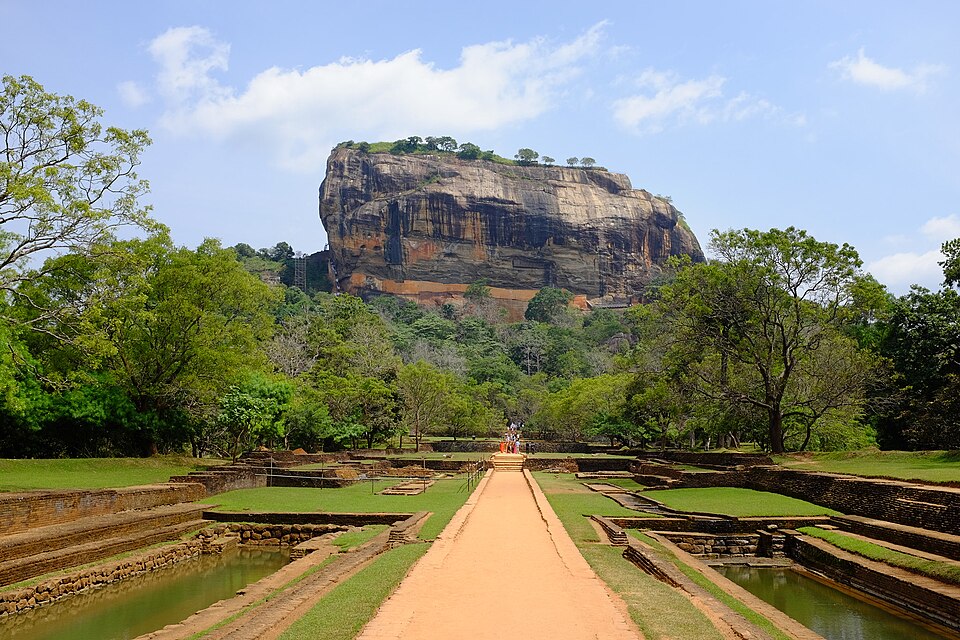
| January | December through March is the prime high season for Sri Lanka's most popular destinations. The west and south coasts (Negombo, Colombo, Galle, Mirissa, Weligama, Tangalle) bask in excellent beach conditions, and the Cultural Triangle (Sigiriya, Dambulla, Polonnaruwa, Anuradhapura) is accessible and dry. Accommodation prices in Galle Fort and beachside properties in Mirissa rise 50–80% above off-season rates; December and January rooms on the south coast require booking 4–8 weeks in advance. Whale-watching season in Mirissa is at its peak December–April, and boat trips fill up. Christmas and New Year bring a wave of European visitors — Colombo's boutique hotels and the Galle Dutch Fort area are the most expensive in the country during these weeks. The hill country (Ella, Nuwara Eliya, Kandy) is pleasant year-round and at its busiest January–March. |
| February | December through March is the prime high season for Sri Lanka's most popular destinations. The west and south coasts (Negombo, Colombo, Galle, Mirissa, Weligama, Tangalle) bask in excellent beach conditions, and the Cultural Triangle (Sigiriya, Dambulla, Polonnaruwa, Anuradhapura) is accessible and dry. Accommodation prices in Galle Fort and beachside properties in Mirissa rise 50–80% above off-season rates; December and January rooms on the south coast require booking 4–8 weeks in advance. Whale-watching season in Mirissa is at its peak December–April, and boat trips fill up. Christmas and New Year bring a wave of European visitors — Colombo's boutique hotels and the Galle Dutch Fort area are the most expensive in the country during these weeks. The hill country (Ella, Nuwara Eliya, Kandy) is pleasant year-round and at its busiest January–March. |
| March | December through March is the prime high season for Sri Lanka's most popular destinations. The west and south coasts (Negombo, Colombo, Galle, Mirissa, Weligama, Tangalle) bask in excellent beach conditions, and the Cultural Triangle (Sigiriya, Dambulla, Polonnaruwa, Anuradhapura) is accessible and dry. Accommodation prices in Galle Fort and beachside properties in Mirissa rise 50–80% above off-season rates; December and January rooms on the south coast require booking 4–8 weeks in advance. Whale-watching season in Mirissa is at its peak December–April, and boat trips fill up. Christmas and New Year bring a wave of European visitors — Colombo's boutique hotels and the Galle Dutch Fort area are the most expensive in the country during these weeks. The hill country (Ella, Nuwara Eliya, Kandy) is pleasant year-round and at its busiest January–March. |
| April | April, July, August, and September are moderate seasons with distinct regional variation. April is transition month — the west coast is still decent but tourist volumes begin to fall as May monsoon approaches. July–September is high season for the east coast: Trincomalee (Nilaveli and Uppuveli beaches), Arugam Bay (world-class surf break), and Batticaloa enjoy their dry window and see a surge of surf tourists and backpackers; guesthouses and surf camps in Arugam Bay fill up quickly in August–September and advance booking is strongly advised. The rest of the country is quiet in these months and hotels outside the east coast offer excellent value. |
| May | May, June, October, and November are the quietest months, when both monsoon systems are active in their respective regions and no coast is at its best simultaneously. May–June see the south-west monsoon at full strength on the popular west and south coasts: Mirissa beach is rough and grey, the Colombo seafront is unpleasant, and many beach resorts temporarily shut their bars and beach facilities. Hotel prices drop 40–60% and walk-in availability is excellent everywhere. October–November is the inter-monsoon crossover: the Cultural Triangle is still accessible and affordable, and savvy travellers can visit inland sites (Sigiriya, Kandy) at low-season prices before the December influx. |
| June | May, June, October, and November are the quietest months, when both monsoon systems are active in their respective regions and no coast is at its best simultaneously. May–June see the south-west monsoon at full strength on the popular west and south coasts: Mirissa beach is rough and grey, the Colombo seafront is unpleasant, and many beach resorts temporarily shut their bars and beach facilities. Hotel prices drop 40–60% and walk-in availability is excellent everywhere. October–November is the inter-monsoon crossover: the Cultural Triangle is still accessible and affordable, and savvy travellers can visit inland sites (Sigiriya, Kandy) at low-season prices before the December influx. |
| July | April, July, August, and September are moderate seasons with distinct regional variation. April is transition month — the west coast is still decent but tourist volumes begin to fall as May monsoon approaches. July–September is high season for the east coast: Trincomalee (Nilaveli and Uppuveli beaches), Arugam Bay (world-class surf break), and Batticaloa enjoy their dry window and see a surge of surf tourists and backpackers; guesthouses and surf camps in Arugam Bay fill up quickly in August–September and advance booking is strongly advised. The rest of the country is quiet in these months and hotels outside the east coast offer excellent value. |
| August | April, July, August, and September are moderate seasons with distinct regional variation. April is transition month — the west coast is still decent but tourist volumes begin to fall as May monsoon approaches. July–September is high season for the east coast: Trincomalee (Nilaveli and Uppuveli beaches), Arugam Bay (world-class surf break), and Batticaloa enjoy their dry window and see a surge of surf tourists and backpackers; guesthouses and surf camps in Arugam Bay fill up quickly in August–September and advance booking is strongly advised. The rest of the country is quiet in these months and hotels outside the east coast offer excellent value. |
| September | April, July, August, and September are moderate seasons with distinct regional variation. April is transition month — the west coast is still decent but tourist volumes begin to fall as May monsoon approaches. July–September is high season for the east coast: Trincomalee (Nilaveli and Uppuveli beaches), Arugam Bay (world-class surf break), and Batticaloa enjoy their dry window and see a surge of surf tourists and backpackers; guesthouses and surf camps in Arugam Bay fill up quickly in August–September and advance booking is strongly advised. The rest of the country is quiet in these months and hotels outside the east coast offer excellent value. |
| October | May, June, October, and November are the quietest months, when both monsoon systems are active in their respective regions and no coast is at its best simultaneously. May–June see the south-west monsoon at full strength on the popular west and south coasts: Mirissa beach is rough and grey, the Colombo seafront is unpleasant, and many beach resorts temporarily shut their bars and beach facilities. Hotel prices drop 40–60% and walk-in availability is excellent everywhere. October–November is the inter-monsoon crossover: the Cultural Triangle is still accessible and affordable, and savvy travellers can visit inland sites (Sigiriya, Kandy) at low-season prices before the December influx. |
| November | May, June, October, and November are the quietest months, when both monsoon systems are active in their respective regions and no coast is at its best simultaneously. May–June see the south-west monsoon at full strength on the popular west and south coasts: Mirissa beach is rough and grey, the Colombo seafront is unpleasant, and many beach resorts temporarily shut their bars and beach facilities. Hotel prices drop 40–60% and walk-in availability is excellent everywhere. October–November is the inter-monsoon crossover: the Cultural Triangle is still accessible and affordable, and savvy travellers can visit inland sites (Sigiriya, Kandy) at low-season prices before the December influx. |
| December | December through March is the prime high season for Sri Lanka's most popular destinations. The west and south coasts (Negombo, Colombo, Galle, Mirissa, Weligama, Tangalle) bask in excellent beach conditions, and the Cultural Triangle (Sigiriya, Dambulla, Polonnaruwa, Anuradhapura) is accessible and dry. Accommodation prices in Galle Fort and beachside properties in Mirissa rise 50–80% above off-season rates; December and January rooms on the south coast require booking 4–8 weeks in advance. Whale-watching season in Mirissa is at its peak December–April, and boat trips fill up. Christmas and New Year bring a wave of European visitors — Colombo's boutique hotels and the Galle Dutch Fort area are the most expensive in the country during these weeks. The hill country (Ella, Nuwara Eliya, Kandy) is pleasant year-round and at its busiest January–March. |
Festivals & events
Duruthu Perahera
Celebration
Jan · approximate dates
January procession at the Kelaniya temple near Colombo, marking the Buddha's visit to the island.
Sinhala & Tamil New Year
Closures
Apr
Island-wide new year (mid-April). Shops close and transport is very busy for several days.
Vesak Poya
Celebration
May · approximate dates
The most sacred Buddhist full moon, streets lit with lanterns and free food stalls (dansala). Usually May.
Kandy Esala Perahera
Book ahead
Jul–Aug · approximate dates
Spectacular ten-night procession of drummers, dancers and decorated elephants in Kandy. Lunar dates, Jul–Aug.